

Alloy 20
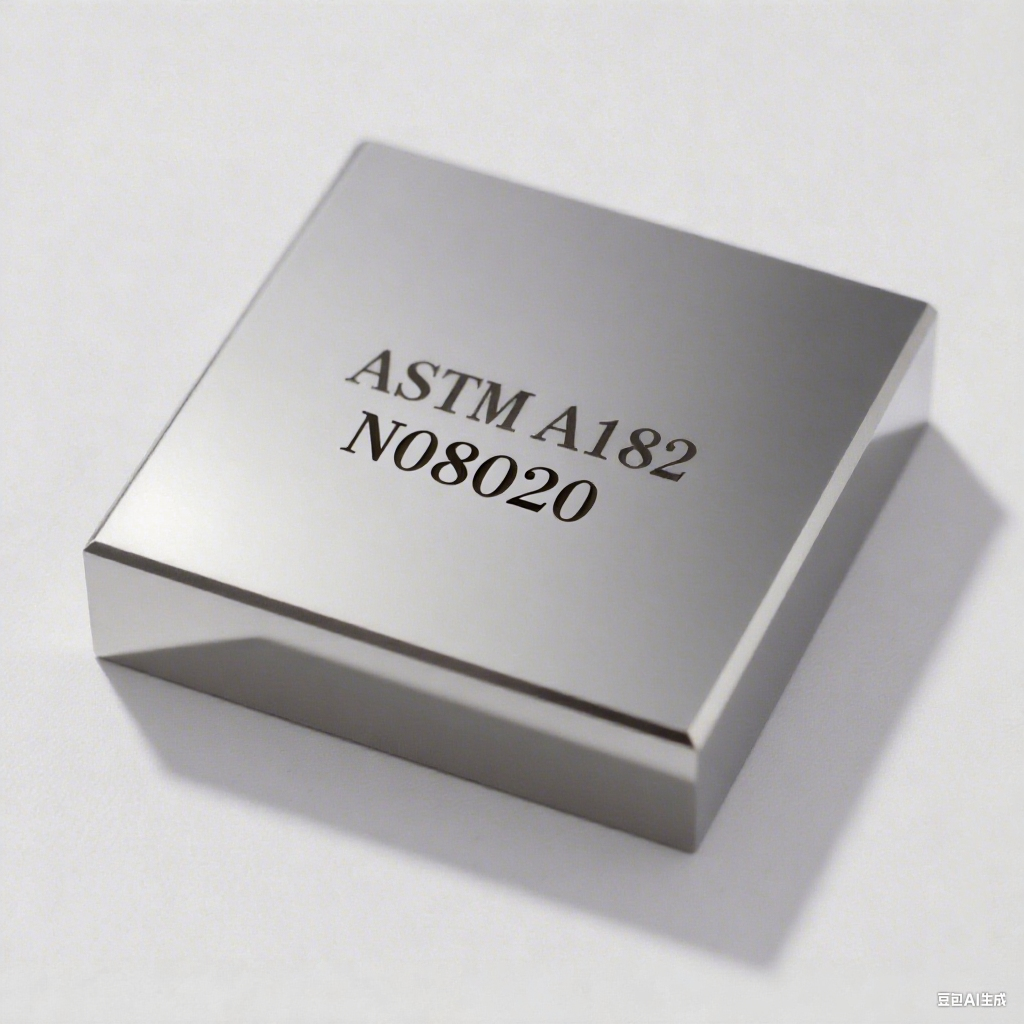
Alloy 20 (commonly known as No.20 alloy) is a nickel-based corrosion-resistant alloy, and its core advantages are resistance to sulfuric acid/phosphoric acid corrosion and stress corrosion cracking. The following are analyzed from the aspects of standard, code, composition, performance, heat treatment and application system:
I. Standard System (Morphological Specification)
Alloy 20 corresponds to ASTM/ASME standards in different forms:
| Product Form | Executive Standard | Description |
|---|---|---|
| Plates/Strips | ASTM B463 / ASME SB463 | Pressure vessels, equipment linings |
| Bars/Forgings | ASTM B473 / ASME SB473 | Shafts, flanges and other structural components |
| Seamless Tubes | ASTM B729 / ASME SB729 | High – temperature corrosion – resistant pipelines |
| Welded Tubes | ASTM B464 / ASME SB464 | Chemical fluid transmission pipes |
| Flanges/Forgings | ASTM B462 / ASME SB462 | Connection components for high – pressure corrosion environments |
II. Name and code (international common name)
Alloy 20 has multiple international designations, with the core being UNS N08020:
- US UNS: UNS N08020 (the most core designation);
- German DIN: W.Nr. 2.4660;
- Chinese National Standard: Old designation NS143 (new national standard corresponds to the oCr20Ni35Mo3Cu4Nb type);
- Trade names: Incoloy 20, Carpenter 20Cb – 3, Nicrofer 3620, NAS 335X, etc.
III. Chemical composition (mass fraction%, ASTM standard)
Alloy 20 relies on “high Ni + Cr + Mo + Cu synergy” for corrosion resistance, with precise composition design:
| Element | Content Range | Function Analysis |
|---|---|---|
| C | ≤0.07 | Strictly control carbon to avoid intergranular corrosion |
| Ni | 32.0 – 38.0 | Dominate corrosion resistance, resist stress corrosion cracking |
| Cr | 19.0 – 21.0 | Form a Cr₂O₃ passivation film, resist oxidation/sulfuric acid corrosion |
| Mo | 2.0 – 3.0 | Enhance resistance to pitting/crevice corrosion (especially in chlorine – containing environments) |
| Cu | 3.0 – 4.0 | Improve resistance to sulfuric acid corrosion (synergize with Ni) |
| Ti | 0.6 – 1.2 | Stabilize structure, assist in 抗氧化 |
| Nb | ≤1.0 | Refine grains, enhance high – temperature performance |
| Mn | ≤2.00 | Improve workability, stabilize austenite |
| Si | ≤1.00 | Deoxidize, assist in 抗氧化 |
| P | ≤0.045 | Impurity, strictly control to reduce embrittlement risk |
| S | ≤0.035 | Impurity, low sulfur ensures corrosion resistance |
IV. Mechanical properties (room temperature after solution treatment)
Alloy 20 has both high strength and high plasticity, suitable for forming and welding:
| Performance Indicator | Typical Value (ASTM Requirement) | Remarks |
|---|---|---|
| Tensile Strength | ≥620 MPa | Actually can reach 700 – 800 MPa (strengthened by cold working) |
| Yield Strength | ≥300 MPa | Austenitic alloy has low yield strength, relying on alloying for strengthening |
| Elongation | ≥40% | Gauge length 50mm, extremely good plasticity (convenient for pipe bending, stamping) |
| Hardness | 135 – 220 HB | Non – aged state, hardness increases significantly after cold working |
| Physical Properties | Density 8.14 g/cm³, melting point 1370 – 1400°C, non – magnetic | – |
V. Heat Treatment Requirements
The core is “solution annealing” to restore corrosion resistance and plasticity:
- Solution Treatment:
- Temperature: 900 – 1150°C (hold for 1 – 2 hours to ensure complete dissolution of carbides);
- Cooling: Rapid air cooling or water cooling (to obtain a single austenitic structure and maximize corrosion resistance).
- Post – Welding Treatment (Optional):
For complex welded structures (such as thick – walled pipelines), it is recommended to anneal at 870°C for 1 hour to eliminate welding stress and avoid cracking during service.
VI. Main Application Fields (Strong Corrosion Scenarios)
Alloy 20 is renowned in the following fields for its “resistance to sulfuric acid/phosphoric acid + stress corrosion”:
- Chemical Industry:
- Sulfuric acid production equipment (evaporators, heat exchangers, pickling tanks), resistant to corrosion by sulfuric acid below 80%;
- Phosphoric acid processing equipment (reaction kettles, pipelines), resistant to composite corrosion by phosphoric acid + chloride ions.
- Energy and Environmental Protection:
- Coal chemical desulfurization systems (resistant to H₂S + hydrochloric acid corrosion);
- Flue gas pipelines of waste incineration plants (resistant to hydrogen chloride + high – temperature oxidation).
- Marine and Petrochemical:
- Acid gas pipelines of offshore platforms (resistant to seawater + hydrogen sulfide corrosion);
- Petrochemical hydrotreating reactors (resistant to hydrogen embrittlement + medium corrosion).
- Special Fields:
- Pharmaceutical/food processing equipment (resistant to disinfectants + meeting hygiene requirements);
- Nuclear waste processing systems (resistant to radiation + strong corrosion).
Summary of Key Characteristics
- Corrosion – resistant core: High Ni resists stress corrosion, Cr + Mo resist pitting corrosion, Cu resists sulfuric acid, and Ti/Nb stabilize the structure.
- Limitations: Still corroded in concentrated hydrochloric acid/hydrofluoric acid (Hastelloy is needed for replacement); high cost, only used in strong corrosion scenarios.
Alloy 20 is a “special – purpose corrosion – resistant alloy for sulfuric acid/phosphoric acid environments”. It breaks through the corrosion bottleneck of conventional stainless steel through precise alloy design and becomes a core material in chemical, energy and other fields.